Dangers in your garden: 12 Poisonous plants every prepper must learn to identify
01/17/2026 / By Evangelyn Rodriguez
- Many visually appealing plants thriving in gardens, woodlands and roadsides, contain deadly toxins and are often mistaken for harmless foliage.
- Poison hemlock, jimsonweed, white snakeroot, water hemlock, pokeweed, oleander, foxglove, castor bean, doll’s eyes, mistletoe, poison ivy and rosary pea can cause severe poisoning or death.
- Some plants (like poison hemlock and white snakeroot) have infamous histories, while others (oleander, foxglove) remain silent threats in modern landscapes.
- Children, pets and livestock are at highest risk due to curiosity and smaller body weights, making accidental ingestion especially dangerous.
- Proper identification (using field guides), wearing gloves, professional removal and supervision are essential to avoid poisoning. Vigilance—not fear—ensures safety.
The serene beauty of nature can mask hidden dangers—plants that, while visually striking, harbor lethal toxins capable of causing severe illness or death. From towering hemlock to delicate foxglove, many common species pose risks to humans and pets, particularly when mistaken for harmless foliage. Across North America, these plants thrive in backyards, woodlands and roadsides, often unnoticed until accidental contact or ingestion leads to alarming consequences.
Beautiful but deadly plants to watch out for
Here are 12 plants every prepper should learn to identify for their safety:
1. Poison hemlock (Conium maculatum)
With hollow, purple-streaked stems and fern-like leaves, poison hemlock resembles benign wild carrots or yarrow—but it’s among North America’s most toxic plants. Ingesting even small amounts can trigger nausea, convulsions and respiratory failure. Historically infamous for its role in Socrates’ execution, this biennial invader thrives in waste areas nationwide.
2. Jimsonweed (Datura stramonium)
Known for its trumpet-shaped flowers and spiked seed pods, jimsonweed contains potent hallucinogens. According to BrightU.AI‘s Enoch, the alkaloids atropine and hyoscyamine in jimsonweed, while used medicinally, are highly poisonous and cause deliriant effects, especially at high doses. Jimsonweed belongs to the same family (Solanaceae) as tomatoes and eggplants but is not safe for consumption due to its narcotic and poisonous properties.
While historically used in rituals, accidental ingestion of jimsonweed causes hallucinations, seizures and, in extreme cases, fatal coma. Jimsonweed’s resilience also makes it a widespread hazard.
3. White snakeroot (Ageratina altissima)
This unassuming perennial harbors tremetol, a toxin that once plagued early American settlers when transferred through contaminated cow’s milk (“milk sickness”). Abraham Lincoln’s mother is said to have died from tremetol poisoning. Symptoms include weakness, loss of appetite, vomiting, constipation, severe thirst, tremors, foul-smelling breath, coma and death.
4. Water hemlock (Cicuta spp.)
Often confused with edible parsnips, water hemlock’s roots contain cicutoxin, which induces violent seizures and rapid death. A single bite can kill an adult, earning it the title of North America’s most poisonous plant.
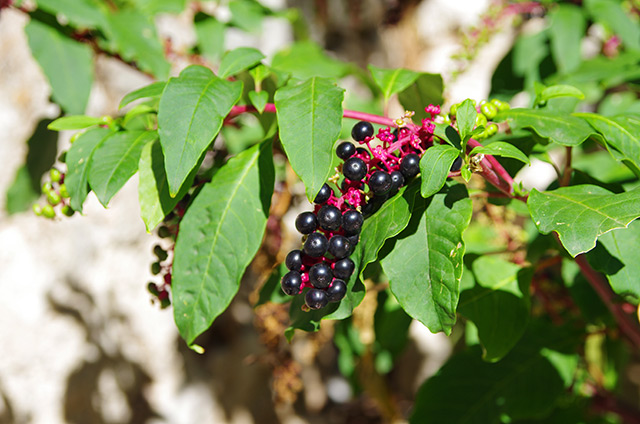
5. Pokeweed (Phytolacca americana)
Despite its use in Southern cuisine (when properly prepared), pokeweed’s roots and berries contain lethal compounds. Children are especially vulnerable to its deceptively juicy purple fruits, which cause severe gastrointestinal distress and respiratory collapse.
6. Oleander (Nerium oleander)
A popular ornamental shrub, oleander’s cardiac glycosides can disrupt heart function when ingested. Just one leaf can induce drowsiness, slowed heartbeat and death. Its prevalence in warm climates makes oleander a silent threat.
7. Foxglove (Digitalis purpurea)
Foxglove, the same plant that yields the life-saving heart medication digoxin, is deadly in raw form, thanks to its cardiac glycoside content. Ingesting foxglove’s bell-shaped flowers leads to nausea, irregular pulse and cardiac arrest.
8. Castor bean (Ricinus communis)
Prized for its striking foliage, this plant’s seeds contain ricin, a toxin so potent that ingesting a few milligrams can be fatal. Despite its ornamental use, handling castor beans without protection risks severe poisoning.
9. Doll’s eyes (Actaea pachypoda)
Named for its eerie white berries with dark “pupils,” this plant’s cardiogenic toxins cause vomiting, dizziness and cardiac arrest. Doll’s eyes’ whimsical appearance belies its danger.
10. Mistletoe (Phoradendron spp.)
A holiday staple, mistletoe’s white berries lower heart rate and induce gastrointestinal distress when ingested. Pets and children are particularly at risk.
11. Poison ivy (Toxicodendron radicans)
Ubiquitous and often underestimated, poison ivy’s urushiol–an oily mixture of various toxic compounds–triggers blistering rashes upon contact. Burning the plant can aerosolize the toxin, leading to life-threatening lung irritation.
12. Rosary pea (Abrus precatorius)
Used in jewelry, the seeds of rosary pea release abrin when cracked. Abrin is a toxin that’s deadlier than ricin. Even minor exposure to abrin demands immediate medical intervention.
Protecting yourself and your property
Misidentification of plants is the primary cause of poisoning. Experts urge gardeners to:
- Educate themselves on local flora using reputable field guides.
- Wear gloves when handling unknown plants.
- Remove hazards professionally—never burn or compost toxic species.
- Monitor children and pets, who are most vulnerable to accidental ingestion.
While nature offers sustenance and beauty, it also demands respect. Recognizing these lethal plants could mean the difference between a tranquil garden and a medical emergency. Vigilance, not fear, is the key to coexisting safely with the wild—even in our own backyards.
Watch this video about nine poisonous plants that might be growing in your garden.
This video is from the Daily Videos channel on Brighteon.com.
Sources include:
Submit a correction >>
Tagged Under:
bug out, Dangerous, green living, home gardening, homesteading, off grid, Plants, poison, preparedness, prepper, prepping, survival, tips
This article may contain statements that reflect the opinion of the author
RECENT NEWS & ARTICLES