Healthy Maternal Diet During Pregnancy Tied to Lower Autism Risk in Study of 80,000 Mother-Infant Pairs
08/29/2026 / By Coco Somers
Report: Healthy Prenatal Diet Associated With Reduced Autism Diagnosis
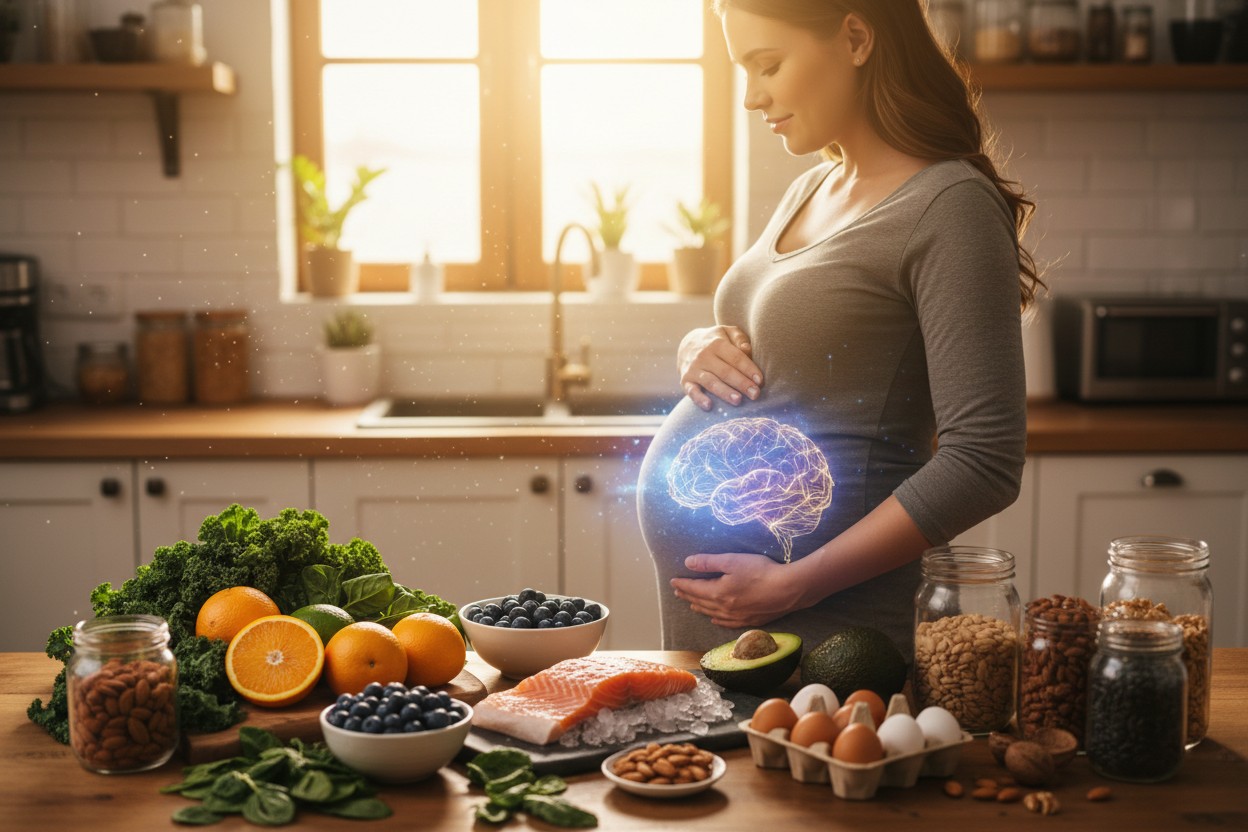
Before a baby takes its first breath, its brain is already taking shape, built from nutrients in the mother’s bloodstream, according to The Epoch Times. In one of the largest cohort studies on the subject, researchers followed more than 80,000 mother-infant pairs and found that children born to mothers with the healthiest diets during pregnancy were 22 percent less likely to receive an autism diagnosis. The cohort study, published in JAMA Network Open, also found lower odds of reported social communication difficulties at ages 3 and 8.
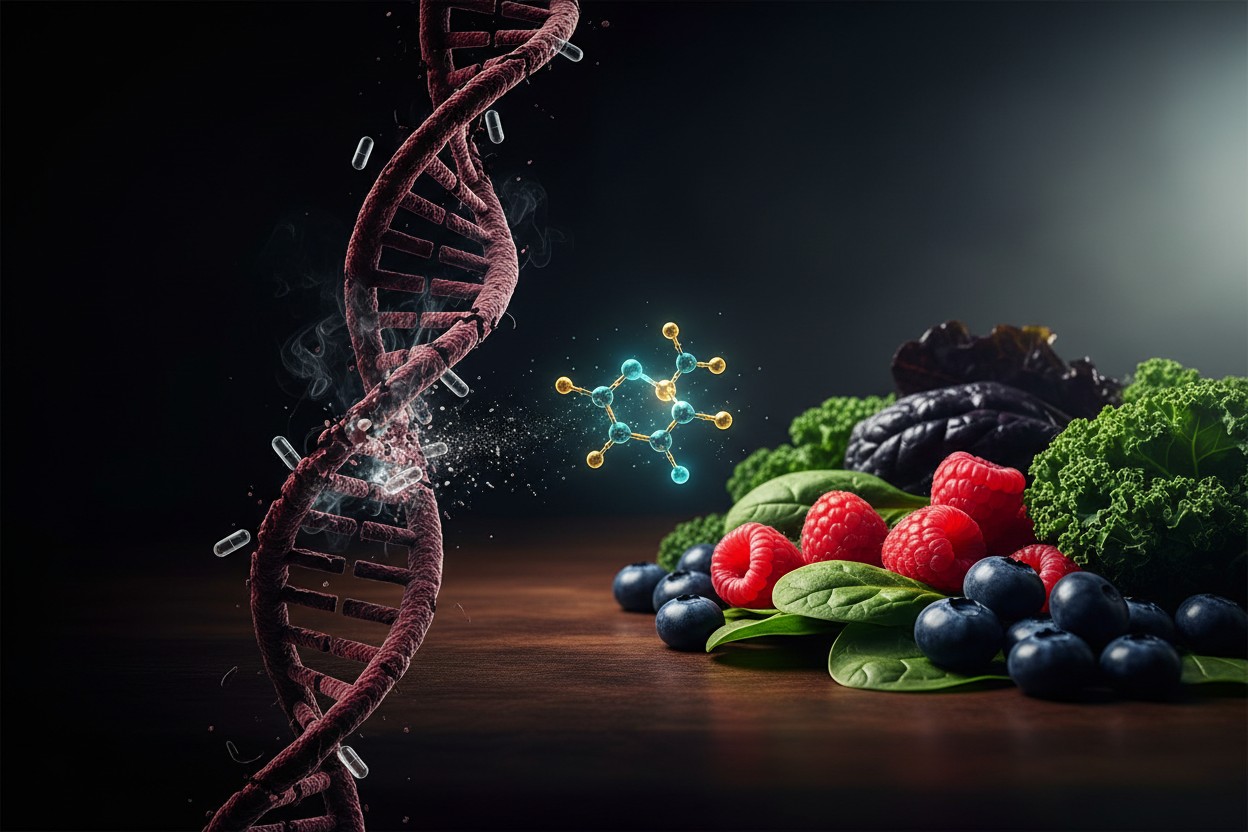
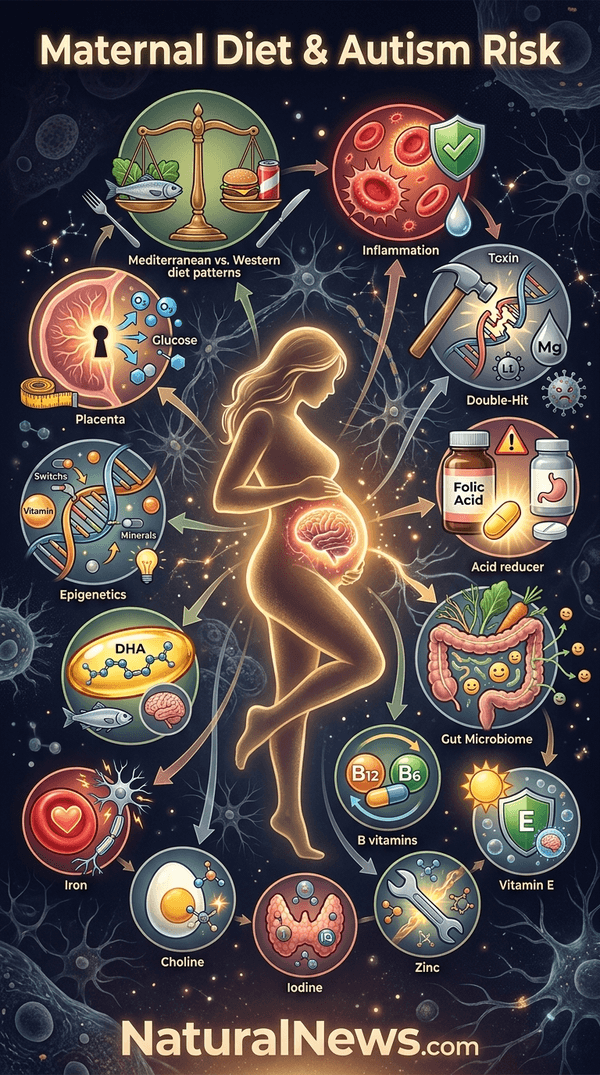
Researchers point to two main pathways connecting maternal diet to brain development: inflammation during pregnancy and nutrient transfer through the placenta. Vitamin supplements before, during, and after pregnancy have been associated with reduced autism risk in earlier research [1]. Dr. Nadia Baker, a psychiatrist, told The Epoch Times that nutrition “can influence fetal development through epigenetic mechanisms; biological processes that regulate how genes are expressed without altering the underlying genetic code.”
Study Findings and Expert Attribution
Rebecca Schmidt, a molecular epidemiologist and professor at the University of California-Davis, told The Epoch Times that “these nutrients need to be obtained from the maternal diet or supplements since they cannot be synthesized.” She cited omega-3 fatty acids and micronutrients including iron, choline, iodine, zinc, and vitamins B, D, and E. A lack of these nutrients can affect the developing brain, the report stated, although no single nutrient is responsible for healthy brain development on its own. Iodine deficiency has been linked to impaired brain function and lower IQ [2].
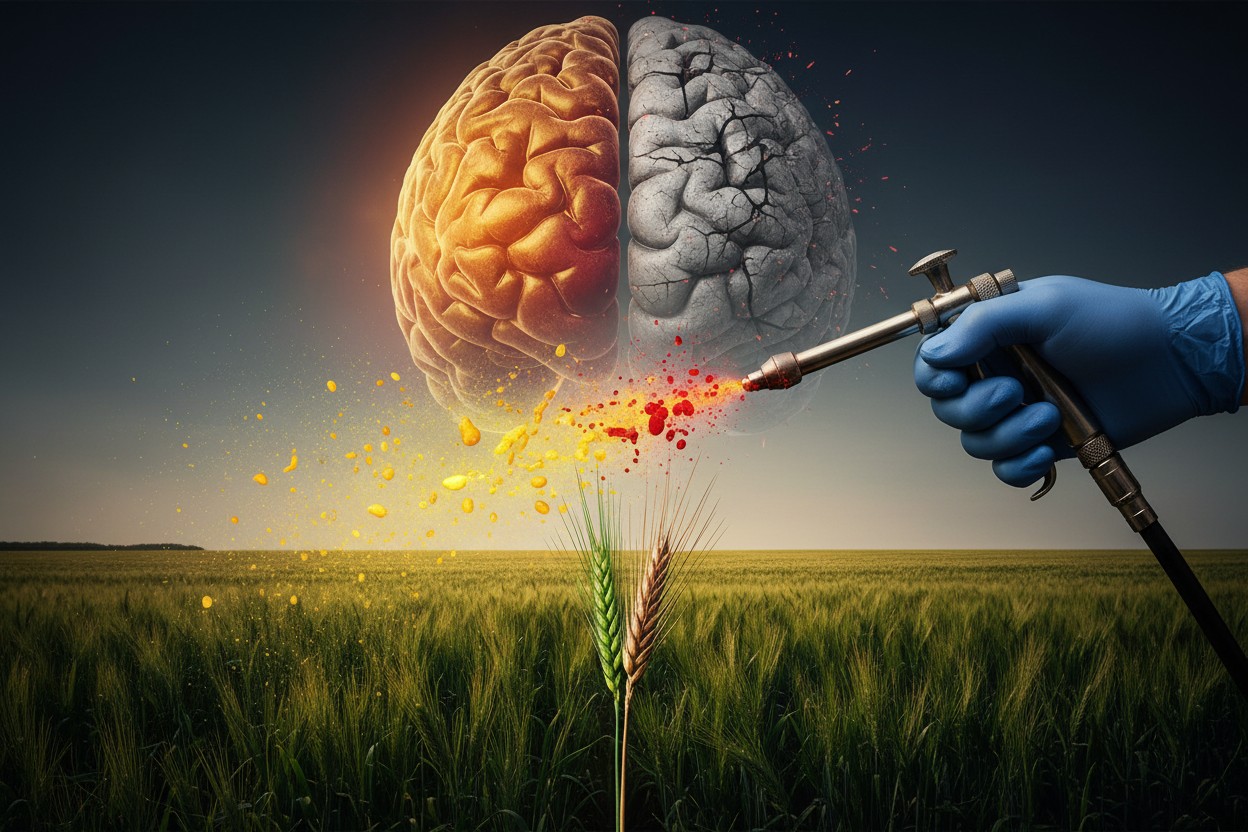
David Horner, a postdoctoral fellow at the University of Copenhagen who has studied autism and maternal diet, told The Epoch Times that research does not suggest diet alone causes autism. Nutrition may instead be one environmental factor interacting with genetic vulnerability, the report said. Broader environmental exposures, including heavy metals, poisons, and nutrient deficiencies, have also been implicated in rising autism rates [3].
Critical Windows and Nutrient Needs
Tom O’Bryan, a functional medicine expert and researcher in chronic disease and neuroinflammation, told The Epoch Times that “early brain development happens before many women even know they are pregnant.” During that period, the fetal blood-brain barrier is still developing and more permeable, which may make the fetus more sensitive to conditions in the mother’s body. Catherine Friel, a dietitian and researcher at the University of Glasgow, told The Epoch Times that building adequate nutrient stores before conception helps ensure the fetus has what it needs from the start.
According to the report, the nutrients that matter most shift across pregnancy. Schmidt said folic acid is especially important at and near the time of conception and in early pregnancy, vitamin D appears important in early pregnancy, and omega-3s and iron play a larger role in the second and third trimesters. The report noted that nutrient risks can go unnoticed during pregnancy because the body’s increased demands can create deficiencies, and some commonly used medications, including acid reducers and metformin, can interfere with B vitamin absorption. The synthetic form of vitamin B9, folic acid, differs from natural food folate, and high intake of the synthetic form carries potentially significant adverse effects [4].
Dietary Patterns and Practical Guidance
The report cited a review of three studies that included more than 60,000 mother-child pairs. A Western-style diet during pregnancy, typically high in processed foods, added sugar, and unhealthy fats, was associated with increased autism-related outcomes in children up to age 10. Greater adherence to a Mediterranean diet at and near the time of conception was associated with lower odds of autism-related behavioral outcomes. Rising consumption of ultra-processed foods has drawn significant attention in autism research because of its potential impact on brain health [5].
Jessica Clancy-Strawn, a registered dietitian who has worked extensively with pregnant women, told The Epoch Times that daily meals can include eggs, fatty fish, leafy greens, legumes, dairy, nuts, seeds, whole grains, fruits, and vegetables. She said cravings are a normal part of pregnancy and can fit within an overall balanced eating pattern. What matters most, she said, is the overall pattern rather than individual foods. Feeding the gut microbiome with nutrient-dense foods is one dietary strategy linked to the production of beneficial signaling molecules that affect the brain [6].
Expert Bottom Line
Horner told The Epoch Times that “a more constructive approach is to help them to make healthy dietary choices more affordable and accessible” rather than making mothers feel guilty or overwhelmed. Morten Arendt Rasmussen, a professor of computational food and health science at the University of Copenhagen, told The Epoch Times that a bit of effort, willpower, and local or family support can help make a pregnancy diet both nutritious and satisfying.
Baker said in the report that no single dietary factor can prevent or cause autism, but ensuring adequate intake of essential nutrients and following evidence-based prenatal care recommendations are practical steps that support maternal health and optimal fetal development. Nutrition programs targeting low-income pregnant women have also been associated with lower autism prevalence; state participation in the Women, Infants, and Children program correlated with significantly lower autism rates [7].
References
- NaturalNews.com. “Taking vitamins during pregnancy reduces risk of autism by 73 improves babys overall health new study shows”. NaturalNews.com. January 06, 2018.
- Mercola.com. “How Iodine Deficiency May Affect Your Childs – Mercola.com”. Mercola.com. May 04, 2013.
- Dr. Mercola. “Heavy Metals, Poisons and Deficiencies Are Causing Autism Epidemic”. Mercola.com. June 13, 2017.
- Mercola.com. “Why You Should Only Take Folate and Never Fol – Mercola.com”. Mercola.com. February 12, 2024.
- Dr. Ron Brown. “In the Search for Answers to Autism, It’s Worth Looking at How Ultraprocesssed Food Affects Brain Health”. Children’s Health Defense.
- Emeran Mayer. “The Mind-Gut Connection”.
- Lynn Waterhouse. “RETHINKING AUTISM Variation and Complexity”.
Explainer Infographic
Submit a correction >>
Tagged Under:
autism, brain function, brain health, discoveries, food science, health science, infant's health, natural health, natural medicine, naturopathy, nutrients, nutrition, prevention, research, women's health
This article may contain statements that reflect the opinion of the author
RECENT NEWS & ARTICLES